 La Fenice Tickets
Is La Fenice Worth Visiting?
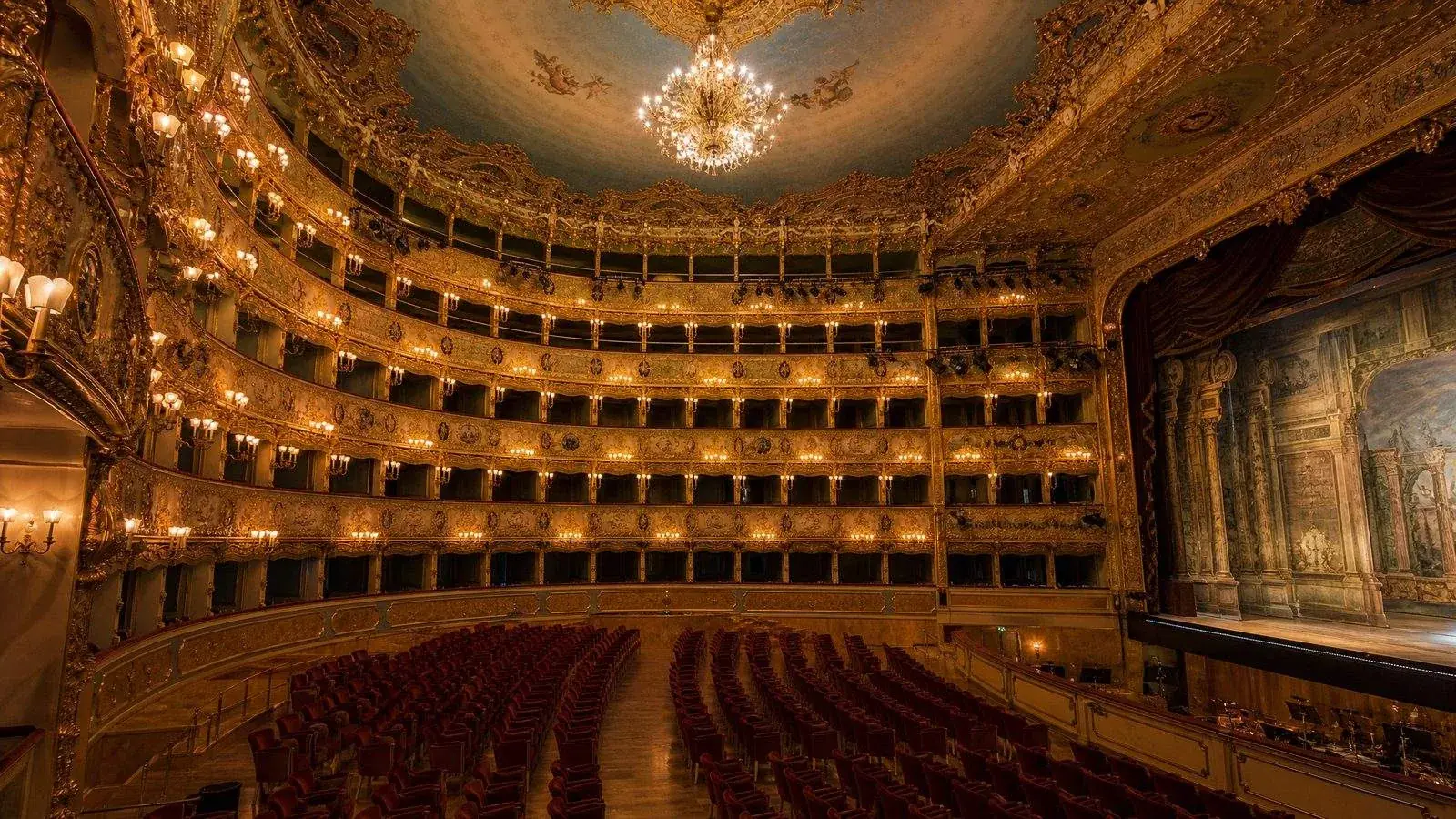
What makes it special
La Fenice is called "The Phoenix" because the theatre has risen from its own ashes twice — destroyed by fire in 1836 and 1996, and rebuilt faithfully both times. What you see today inside is the 19th-century design, rebuilt in 2003. The horseshoe of tiered boxes, the gilded stucco, the royal box where emperors sat — it is a real working theatre, not a frozen museum. You feel the weight of the room and the history. That’s the appeal.
Who should go
Book a daytime ticket if: you love opera or classical music; you care about Venetian history; you want to see where Verdi premiered his masterpieces; or you simply appreciate beautiful old buildings. The audio guide is self-paced and covers the story well. A guided tour adds a live voice and deeper context, though guide quality is uneven.
Who might skip it
Skip if: you have only a few hours in Venice and admission fees matter; you are not interested in opera or theatre history; or you prefer outdoor, street-level sightseeing. Honest note: a few visitors find the daytime experience quieter than expected, without the energy of a live performance. If you want to hear an opera, that is a different, separate experience booked through the theatre directly, not the daytime visit.
Go if you love opera, history, or beautiful old theatres. The 45-minute visit and the audio guide are worth the €14.
Frequently asked questions
Is La Fenice worth visiting as a tourist?
Yes, if you care about opera history or Venetian architecture. It’s where Verdi premiered Rigoletto and La traviata, and the 19th-century design is beautiful. The audio guide is good and costs about €14. See all visit options.
What makes La Fenice special?
It’s called “The Phoenix” because it burned twice (1836, 1996) and was rebuilt both times. The current interior is the 19th-century design, faithfully restored in 2003. That history and the architecture make it worth walking through. Read the full story.
Is it worth paying for a daytime ticket?
Yes, for most visitors who like opera or history. At about €14 for the audio guide, it’s reasonable. A live guide costs more but quality varies. If history doesn’t appeal, the outdoor bridges and squares are free. Booking details here.